Why Korean Soups and Stews Genuinely Taste Better the Next Day, Not Just Reheated
Quick Answer: Korean soups and stews built on fermented bases like doenjang or gochujang genuinely taste better after resting overnight because the flavors from fermented ingredients, aromatics, and any meat or seafood continue to meld and deepen over time, a well-documented culinary phenomenon that’s part of why many Korean households deliberately cook these dishes a day ahead.
It’s not just that hunger or memory makes leftovers taste good — the actual chemistry of a resting, fermented-base stew is still developing hours after the pot comes off the heat.
What’s actually happening chemically that makes a rested stew taste deeper the next day?
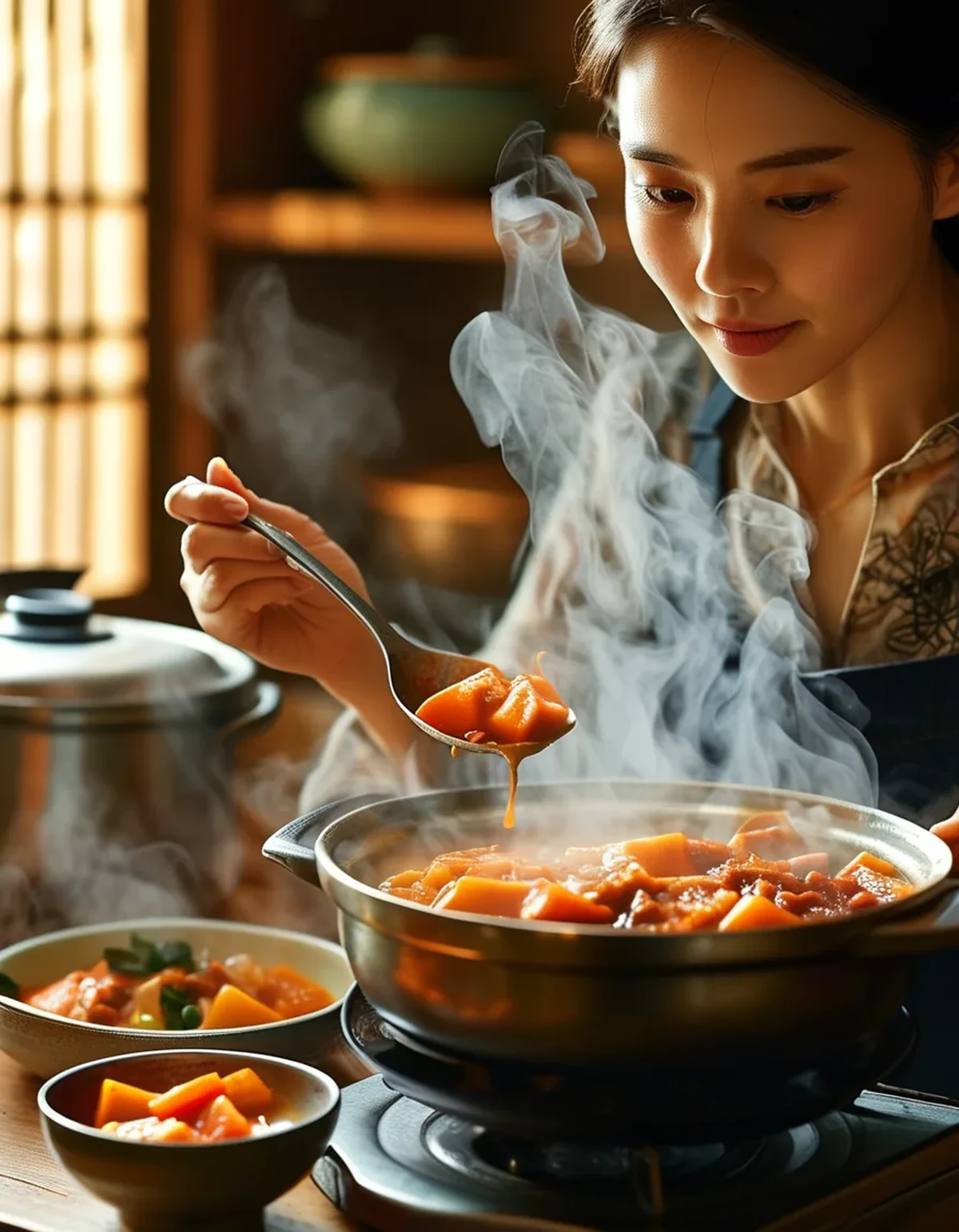
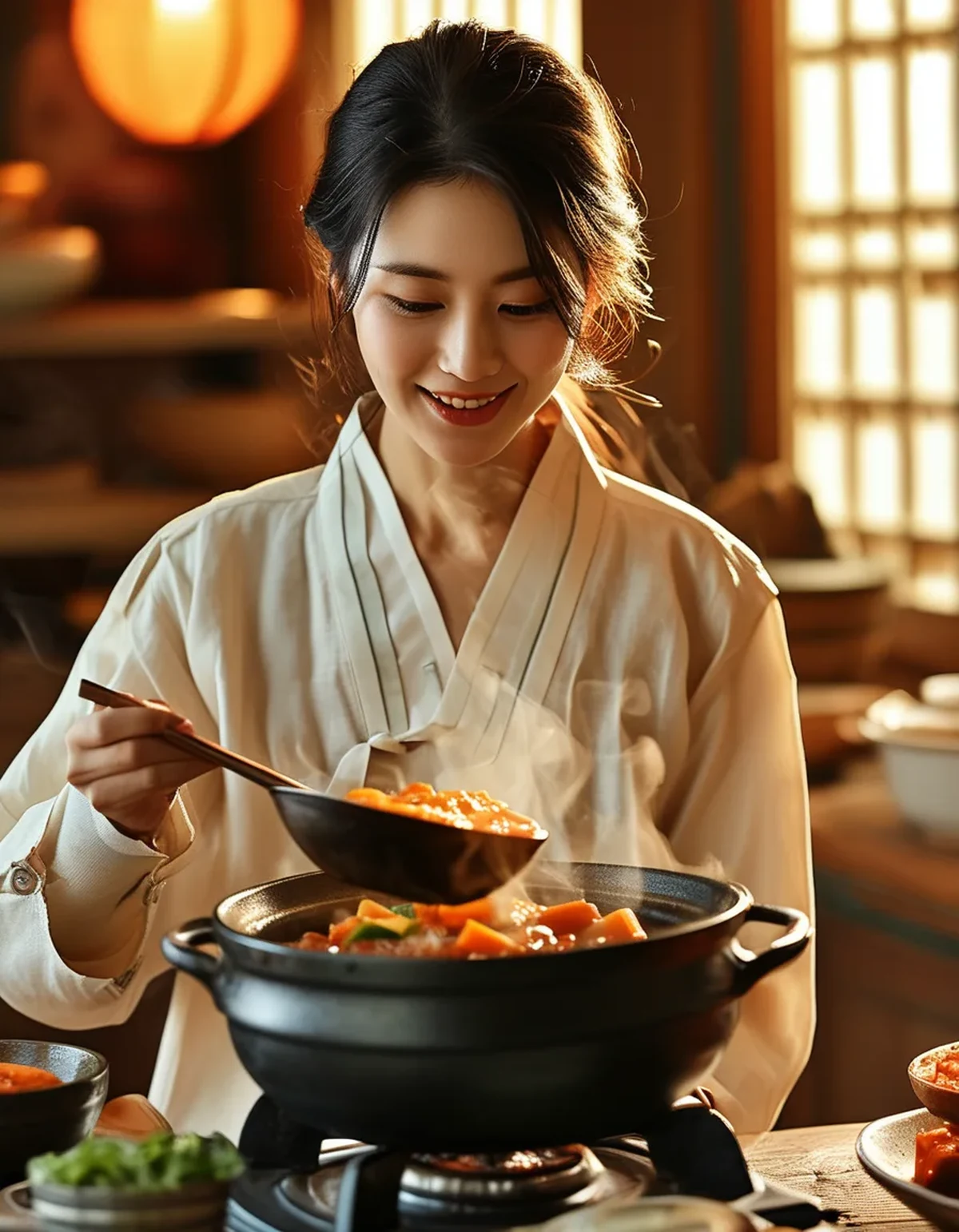
Flavor compounds from aromatics (garlic, onion, scallion), the fermented paste base, and any protein continue to diffuse and meld throughout the liquid during a slow cool-down and resting period, a process similar to what happens in many braised dishes and curries across different cuisines — the flavors aren’t disappearing or staying static after cooking, they’re actively continuing to combine.
Does the fermented base (doenjang or gochujang specifically) play a bigger role in this than in a non-fermented soup?
Likely yes — fermented pastes already contain complex, developed flavor compounds from their own fermentation process, and resting time allows those compounds to distribute more fully and interact with the other ingredients, which is part of why fermented-base Korean stews are particularly well known for this next-day improvement compared to simpler broths without a fermented component.
Is there a food safety consideration with letting a stew rest and reheating it the next day?
Yes, and it’s worth handling correctly — cooling the stew to room temperature within about two hours of cooking, then refrigerating promptly, and reheating thoroughly to a full simmer before serving keeps this practice both flavorful and safe; leaving a pot out at room temperature for an extended period defeats the benefit by introducing real food safety risk.
Does this mean it’s worth deliberately cooking these dishes a day ahead rather than same-day?
Many experienced Korean home cooks do exactly this on purpose, particularly for dishes served for a gathering or a special meal, treating the overnight rest as an actual step in the recipe rather than an afterthought — cooking the day before and reheating gently the day of is a legitimate technique, not a compromise.
FAQ: Resting Korean Stews Questions, Answered
How long should a stew rest for the best flavor improvement — is overnight actually necessary, or does a few hours help too?
Even a few hours of resting after cooling provides some benefit, but a full overnight rest in the refrigerator tends to show the most noticeable difference, since the flavor melding continues gradually over that longer period.
Does this next-day improvement apply to all Korean soups, or mainly the fermented-paste-based ones?
It applies to some degree across many slow-simmered soups and stews generally, but it’s most pronounced and most discussed specifically for fermented-base dishes like doenjang jjigae and kimchi jjigae, where the fermented ingredient adds extra complexity that benefits from the extra melding time.
Does reheating method affect how well the improved flavor comes through?
Reheating gently on the stovetop to a full simmer, rather than a quick microwave zap, tends to preserve and even continue supporting the flavor melding better, along with more evenly restoring the ideal serving temperature throughout the dish.
TL;DR:
- Fermented-base Korean stews like doenjang jjigae genuinely improve overnight through continued flavor melding
- Aromatics, fermented paste compounds, and protein flavors keep diffusing through the liquid during resting
- Cooling within two hours and reheating to a full simmer keeps the practice safe as well as flavorful
- Many Korean home cooks deliberately cook these dishes a day ahead as an intentional recipe step
If a stew always seems to taste better as leftovers, that’s real culinary chemistry at work — worth planning meals around instead of treating it as a coincidence.
Keep Reading
This article is for general informational purposes only and is not medical advice. Always consult a qualified health professional for guidance specific to you.