Why Korean Cold Noodles Are the Smartest Dinner of August
Quick Answer: Korean cold noodles solve the specific problem of eating well when it is too hot to want food. The icy broth lowers your core temperature from the inside, the vinegar and mustard stimulate an appetite that heat suppresses, and the chewy buckwheat noodles deliver substance without the heaviness of a hot meal. Mul naengmyeon is the icy-broth version, bibim naengmyeon the spicy sauced one, and both come together at home in about 20 minutes because the entire point is that nothing gets cooked for long.
It is the week of the year when standing over a stove feels like a punishment. Korea solved this centuries ago, and the solution has slush in it.
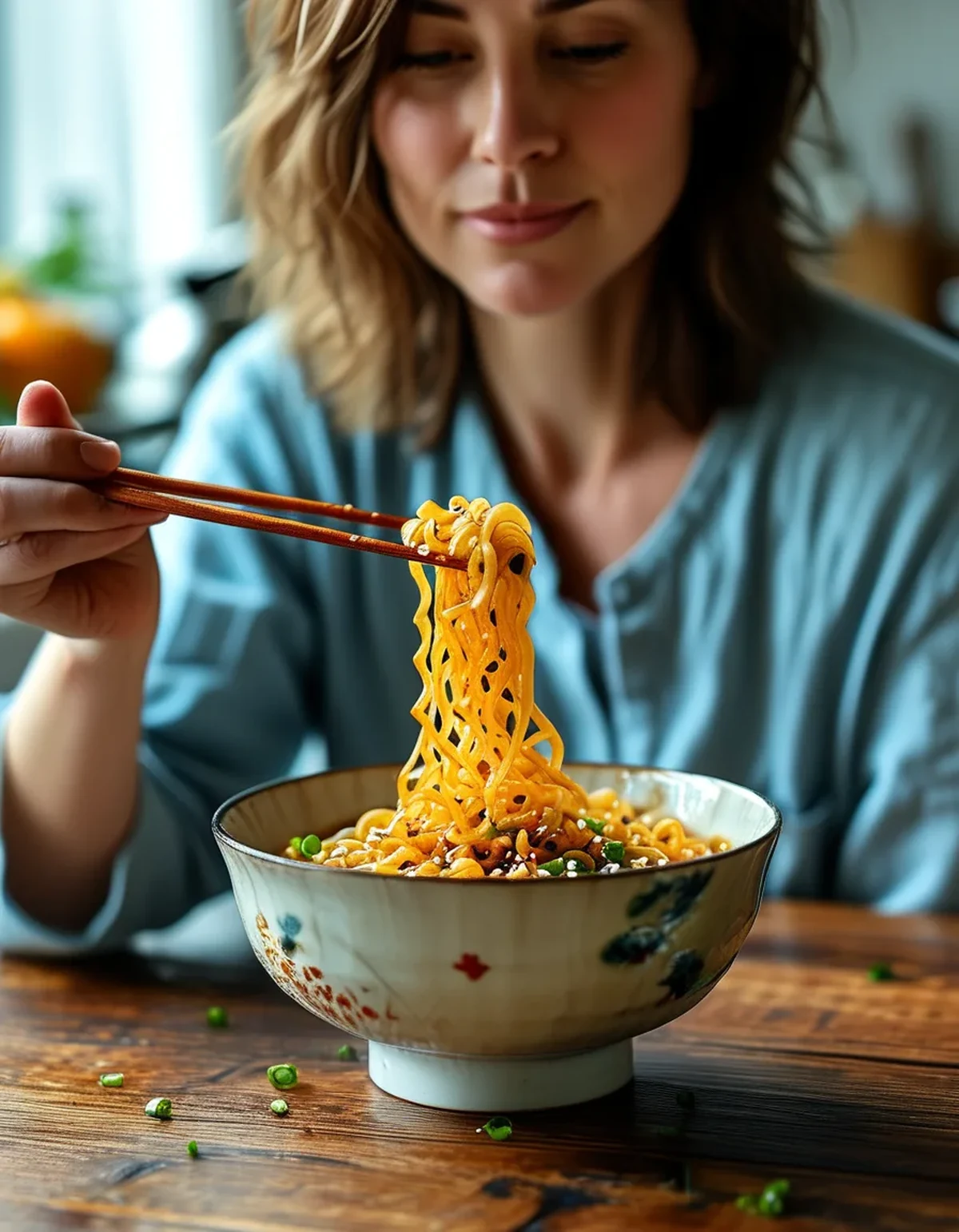
Why does an icy broth work better than a cold drink?
There is real physiology behind why naengmyeon feels less like a meal and more like relief.
Cold food cools you from the core. A cold drink passes through quickly; a bowl of icy broth with noodles keeps chilled volume in your stomach for the length of the meal, drawing heat steadily rather than in one swallow.
Heat suppresses appetite, and acid restores it. In hot weather the body downregulates hunger. The sharp vinegar in the broth and the sinus-clearing mustard trigger salivation and appetite in a way plain cold water cannot - the meal talks you into eating it.
The broth replaces what you sweated out. Naengmyeon broth is lightly salted and savoury, closer to a rehydration solution than to a soft drink. On a day you have been sweating, it is doing quiet electrolyte work while it cools you.
Chewy noodles slow you down. The signature bounce of buckwheat-and-starch noodles forces proper chewing, which stretches the meal and gives satiety time to register - part of why a cold bowl satisfies in a way a sandwich eaten in four minutes does not.
And the slush is not decoration. Restaurants freeze part of the broth and serve it as a semi-frozen slurry so the bowl stays properly cold to the last bite instead of drifting to room temperature. That detail, more than any other, is what home versions miss.
Mul or bibim - which one is your bowl?
The two classic forms share noodles and toppings but solve slightly different problems.
Mul naengmyeon is the cooling machine. Noodles submerged in icy beef or dongchimi radish-water broth, topped with cucumber, pear, half a boiled egg, and a few slices of brisket. Clean, tangy, almost austere. On the most brutal days, this is the one.
Bibim naengmyeon is the appetite machine. The same noodles tossed in a gochujang-based sauce - sweet, sour, hot - with the broth served on the side in a cup. The chilli generates its own cooling response through sweat, and the flavour is loud where mul is quiet.
The vinegar and mustard ritual applies to both. Bottles of vinegar and Korean hot mustard arrive with the bowl, and adjusting your own broth is expected, not optional. Start with a spoon of vinegar and a small dab of mustard, taste, escalate.
Scissors are traditional, not a shortcut. The noodles are extraordinarily long and elastic, and one or two cuts with kitchen scissors before eating is standard practice in every naengmyeon restaurant in Korea.
The pear matters more than it looks. A few thin slices of sweet Asian pear against the sour broth is the flavour balance the dish is built around - worth including at home even when it feels like garnish.
Choose by the day: exhausted and overheated, mul. Hot but bored and craving something loud, bibim. There is no wrong answer, which is why groups always split.
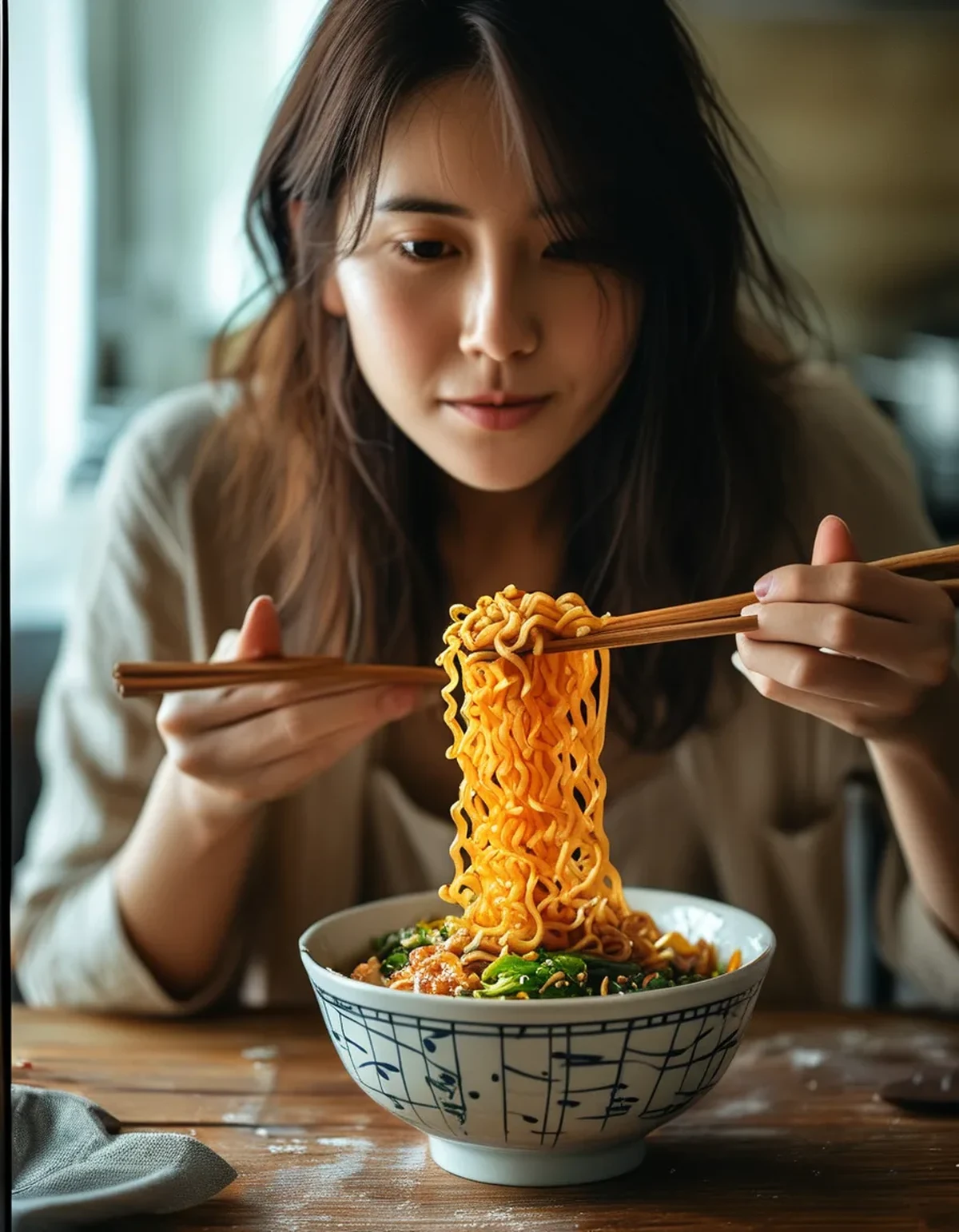
What Nobody Tells You About Naengmyeon
It began as a winter dish. Cold noodles in icy dongchimi brine were originally eaten in heated rooms during northern Korean winters - summer adoption came later. The dish is older and stranger than its beach-weather image suggests.
The North-South distinction still shapes menus. Pyongyang-style mul naengmyeon is subtle, buckwheat-heavy, and famously an acquired taste - first-timers often find the broth almost bland until the third visit, at which point it becomes a craving. Hamhung-style leans on chewier sweet-potato-starch noodles and the spicy bibim treatment.
The broth is drunk from the bowl. Finishing by lifting the bowl with both hands is normal and expected. Leaving good broth behind is the actual faux pas.
Restaurant broth is often part slush by design. Freezing a portion and shaving or crushing it into the liquid keeps the bowl at near-zero temperature throughout the meal. Home cooks can copy this by freezing a third of the broth flat in a zip bag, then crushing it in.
The egg has a job. The boiled egg half is traditionally eaten first, the mild yolk coating the stomach before the acidic, icy broth arrives - grandmother logic, but pleasant in practice.
And the noodles wait for no one. Buckwheat noodles begin softening the moment they hit liquid. Naengmyeon is served the second it is assembled and eaten immediately - it is the one Korean dish where photographing your bowl first genuinely costs you.
How do you get restaurant-level cold at home?
The home version stands or falls on temperature management, not cooking skill.
Buy the noodle-and-broth kits. Korean grocers stock naengmyeon kits year-round - dried noodle bundles with concentrated broth pouches. The broth pouches are legitimately good, and doctoring them is standard practice even in Korea.
Freeze the broth pouches for 90 minutes before serving. You want them just beginning to crystallise. Mixed with a splash of cold water, this produces the slushy texture that separates a real bowl from a merely refrigerated one.
Cook the noodles hard and fast, then shock them. Boil for the short time the packet says - usually 2 to 3 minutes - then immediately rinse under cold running water, rubbing the noodles between your hands until the starch is gone and they feel springy and cold to the centre. This rinse is the whole texture of the dish; a lazy rinse means gummy noodles.
Ice the serving bowls. Metal bowls from the freezer, or ten minutes of ice water dumped just before assembly. A room-temperature bowl steals cold from everything you put in it.
Assemble in under a minute. Drained noodles in a coil, broth and slush over, then cucumber, pear, egg, and whatever protein you have - leftover cold chicken works shamelessly well.
Set vinegar and mustard on the table. The adjusting-at-the-table ritual is half the dish, and everyone’s bowl ends up different. That is the design working as intended.
FAQ: Korean Cold Noodle Questions, Answered
What is the difference between mul naengmyeon and bibim naengmyeon?
Mul naengmyeon is noodles in icy tangy broth - the maximum-cooling version. Bibim naengmyeon is the same noodles tossed in a sweet-spicy gochujang sauce with broth on the side. Mul for heat relief, bibim for flavour and appetite.
Are naengmyeon noodles healthy?
They are reasonable: buckwheat brings fibre and plant protein, the bowl is loaded with cucumber and pear, and the meal is far lighter than most hot dinners. Watch the sauce sugar in bibim versions and the sodium if you drink every drop of broth.
Why do my homemade noodles turn out gummy?
Almost always an insufficient rinse. The noodles must be rinsed under cold running water while rubbing them until the surface starch is completely gone and they feel springy. Skipping that step leaves a starchy coat that turns to glue in the bowl.
Can I make naengmyeon without a Korean grocery store?
Close approximations work: soba noodles, a broth of chicken stock cut with rice vinegar, sugar, and a little cucumber pickle brine, chilled to near-freezing. It will not be Pyongyang, but on a 35-degree evening it absolutely does the job.
Why do restaurants cut the noodles with scissors?
The noodles are extremely long and elastic - a single strand can run over a metre. One or two scissor cuts across the coil makes the bowl manageable and is completely standard, not an insult to tradition.
TL;DR:
- Icy broth cools your core for the whole meal, and its vinegar-mustard sharpness restores the appetite heat takes away.
- Mul naengmyeon is the cooling bowl; bibim naengmyeon is the spicy, loud one - choose by the kind of hot day you had.
- The home secret is temperature: half-frozen broth, shocked and hard-rinsed noodles, freezer-cold metal bowls.
- Grocery-store naengmyeon kits are genuinely good and take about 20 minutes.
- Serve instantly and adjust with vinegar and mustard at the table.
August does not really want you to cook, and naengmyeon agrees. Twenty minutes, one boil, and dinner arrives colder than the evening ever will.
Keep Reading
This article is for general informational purposes only and is not medical advice. Always consult a qualified health professional for guidance specific to you.