Why Korean Banchan Culture Is Basically Built-In Portion Control
Quick Answer: Banchan’s format of many small shared side dishes naturally slows eating pace and encourages smaller portions of any single dish, both of which are independently linked to better satiety signaling — the structure does portion control work that a single large plate simply doesn’t.
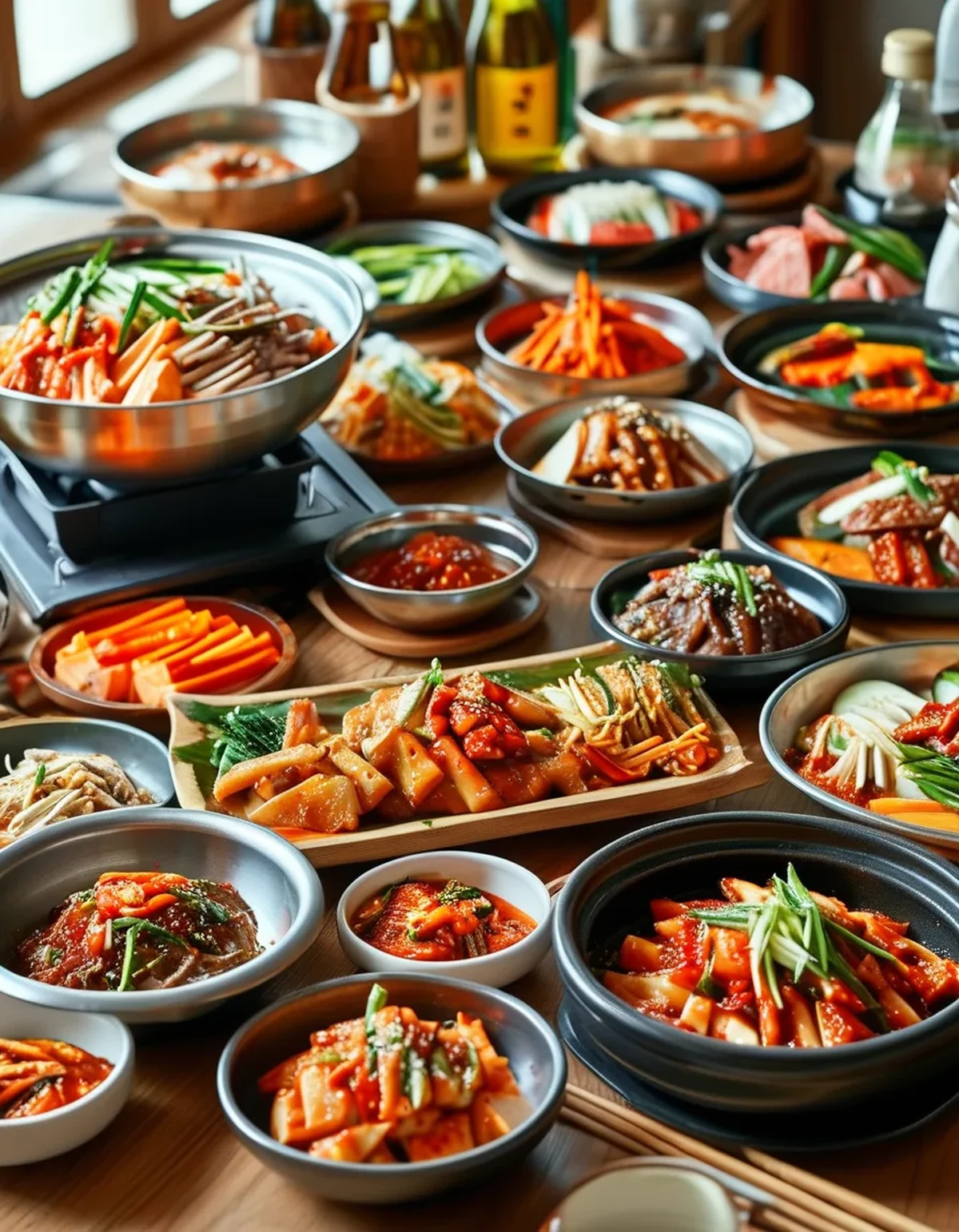
A table full of banchan dishes looks like abundance, and it is — but the format itself works differently than a single big entrée plate, in ways that are easy to miss if you’re only looking at the number of dishes rather than how the meal actually unfolds.
How does the banchan format actually slow down eating?
With multiple small dishes to choose from throughout the meal, eating naturally becomes more varied and paced — reaching for a different dish, adjusting rice-to-side ratios, and generally taking more discrete ‘decisions’ during the meal than working through one plate does. Slower eating pace is consistently linked in research to better satiety recognition, since it takes roughly 20 minutes for fullness signals to fully register — a meal structure that naturally extends eating time works with that biology instead of racing past it.
Does variety itself affect how much people eat?
It cuts both ways, and this is worth being honest about — variety can increase intake in some contexts (more food variety is a documented driver of eating more at buffets, for instance) but banchan’s small-portion format limits how much of any single high-density dish gets eaten, which tends to offset the variety effect compared to a buffet’s typically larger portion sizes per item. The small serving size per dish is doing real work here, not just the variety alone.
What role does the rice-and-vegetables ratio play?
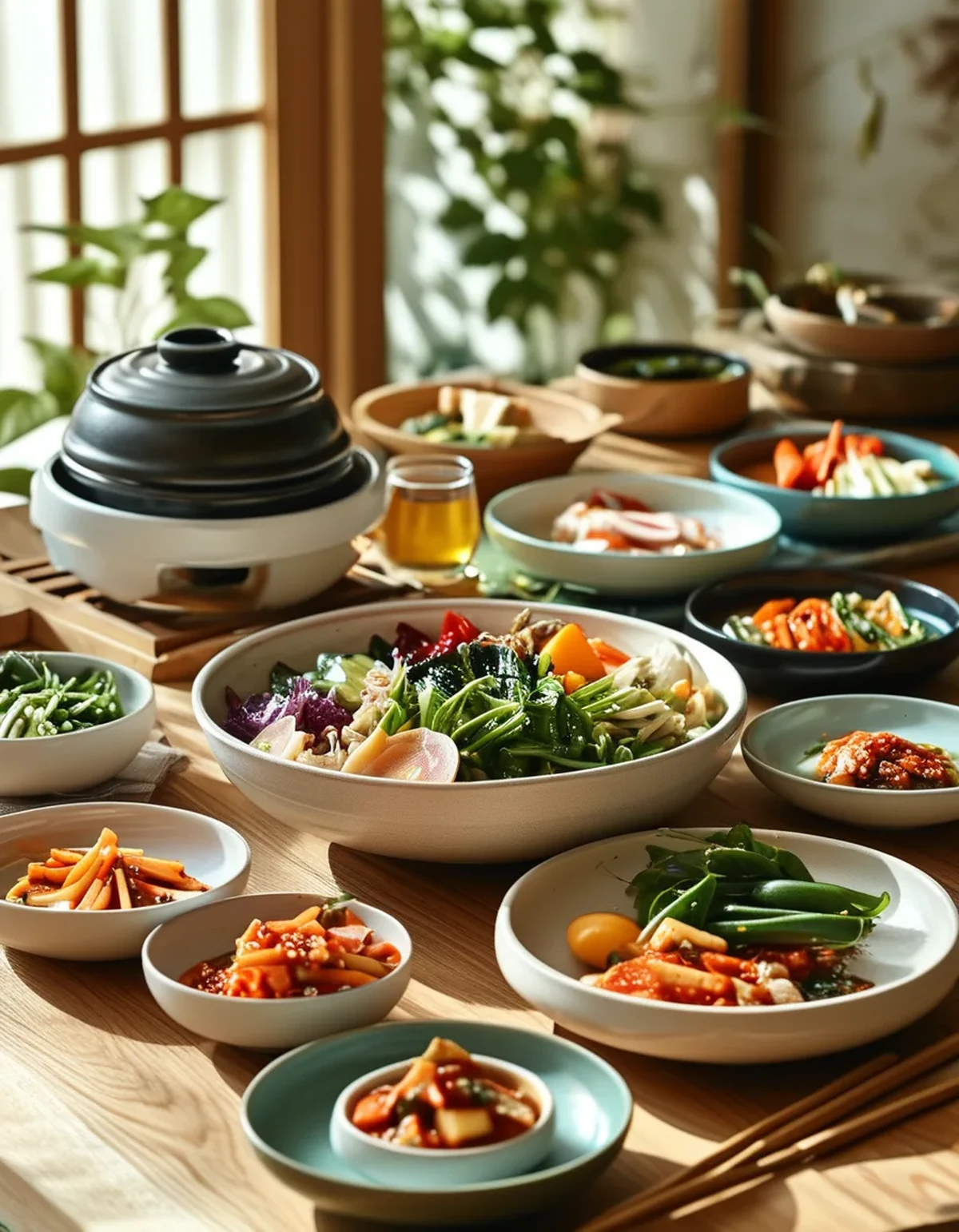
A traditional Korean meal structure typically centers rice with banchan largely vegetable and fermented-food based (kimchi, seasoned greens, bean sprouts), with protein dishes present but usually not dominating the plate the way a Western entrée-centric meal does. This ratio — more vegetables and fermented foods relative to protein and starch by dish count — naturally shifts overall meal composition toward more fiber and fewer calorie-dense components without requiring deliberate calorie counting.
Does shared-dish eating change behavior compared to individual plating?
It can, in a few ways — shared dishes require more conscious decisions about how much to take with each pass, which introduces natural pause points that a single already-plated portion doesn’t have. Some research on communal eating formats suggests this can support more mindful intake, though social eating dynamics (matching pace with dining companions) can cut either direction depending on the group.
Is banchan culture something that requires effort to replicate, or does the structure do the work?
Largely the structure does the work, which is part of why it’s a genuinely useful format to borrow even outside a fully traditional Korean meal — serving any meal as several smaller dishes instead of one large plate, with a vegetable-forward selection alongside a moderate protein portion, replicates much of the pacing and portion benefit without requiring the full traditional spread or specific dishes.
FAQ: Banchan and Portion Control Questions, Answered
Does eating banchan-style actually help with weight management?
The format supports slower eating and smaller per-dish portions, both linked to better satiety recognition — it’s a supportive structure, not a guaranteed outcome on its own, and total intake still matters.
Can I replicate banchan’s benefits without a full Korean meal spread?
Yes — serving any meal as a few smaller varied dishes rather than one large plate borrows much of the pacing and portion benefit.
Is more variety in a meal always better for portion control?
Not automatically — variety can increase intake in some contexts (like buffets). Banchan’s benefit comes from combining variety with genuinely small individual portions, not variety alone.
TL;DR:
- Multiple small dishes naturally slow eating pace, working with (not against) the 20-minute satiety signal delay
- Small per-dish portions offset variety’s usual tendency to increase intake
- The rice-and-vegetables-forward ratio shifts meal composition without deliberate calorie counting
- The format is replicable — several smaller varied dishes instead of one large plate — even outside a traditional spread
Banchan’s portion control isn’t a rule anyone follows consciously — it’s baked into how the meal is structured.
Keep Reading
This article is for general informational purposes only and is not medical advice. Always consult a qualified health professional for guidance specific to you.