The Specific Reason Homemade Bibimbap Never Quite Tastes Like the Restaurant Version
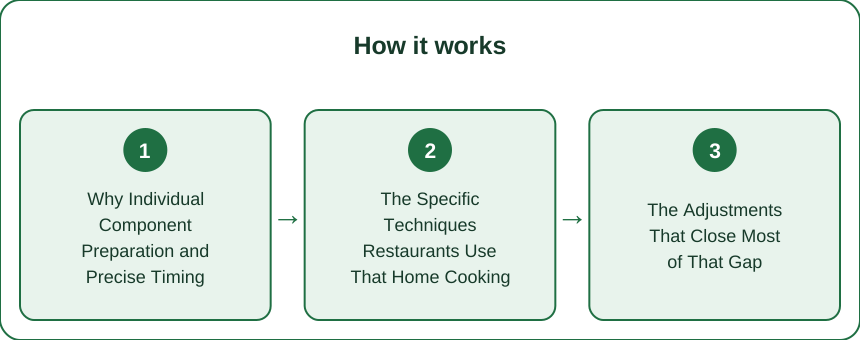
Using the exact same brand of gochujang and the same general list of vegetables that a favorite restaurant’s bibimbap uses still tends to produce a noticeably different, often less satisfying result at home, and the actual reason has less to do with ingredients and more to do with how each individual component gets prepared and the specific timing of the final assembly. Here is why individual component preparation and precise timing matter more than exact ingredient matching, the specific techniques restaurants use that home cooking usually skips, and the adjustments that close most of that gap.


Why Individual Component Preparation and Precise Timing Matter More Than Exact Ingredient Matching
The real source of the difference: the a-restaurant-bibimbap-typically-prepares-each-individual-vegetable-and-protein-component-completely-separately-with-its-own-specific-seasoning-and-cooking-method-rather-than-cooking-everything-together-in-one-combined-pan-or-pot (the the specific individual-preparation approach being the actual defining technique, distinct from what most home versions default to for convenience — the a-genuine-restaurant-quality-bibimbap-typically-and-specifically-prepares-each-individual-vegetable-and-protein-component-completely-separately-with-its-own-specific-and-tailored-seasoning-and-cooking-method-rather-than-cooking-everything-together-all-at-once-in-one-single-combined-pan-or-pot-for-convenience-the-way-most-simplified-home-versions-typically-do), the individual-component-preparation-allows-each-specific-vegetable-to-be-cooked-to-its-own-ideal-texture-and-seasoned-to-its-own-ideal-flavor-rather-than-averaging-out-to-a-single-compromise-texture-and-flavor-that-cooking-everything-together-inevitably-produces (the the actual mechanistic reason why individual preparation produces a better result, explaining why this specific technique matters rather than just asserting that it does — the this-specific-individual-component-preparation-approach-genuinely-allows-each-specific-vegetable-to-be-cooked-to-its-own-particular-ideal-texture-and-seasoned-to-its-own-particular-ideal-flavor-profile-rather-than-averaging-out-to-one-single-compromise-texture-and-flavor-that-cooking-everything-together-in-one-combined-pan-or-pot-inevitably-and-unavoidably-produces), and the reframe (the actual gap between homemade and restaurant bibimbap as being primarily a preparation-method gap — individual component treatment versus combined cooking — rather than an ingredient-sourcing or brand-matching gap, which is why matching the exact gochujang brand alone doesn’t close it)).

The Specific Techniques Restaurants Use That Home Cooking Usually Skips
What’s actually happening in a genuine restaurant kitchen: the each-vegetable-component-such-as-spinach-bean-sprouts-and-carrots-is-typically-blanched-or-sautéed-separately-and-seasoned-individually-with-its-own-specific-small-amount-of-sesame-oil-and-salt-rather-than-a-single-shared-seasoning-applied-across-everything-at-once-from-the-korean-banchan-guide-logic (the a specific and concrete example of the individual-preparation principle already established, made tangible with actual named vegetable components — the each-individual-vegetable-component-such-as-spinach-bean-sprouts-and-carrots-is-genuinely-and-typically-blanched-or-sautéed-completely-separately-and-then-seasoned-individually-with-its-own-specific-small-and-tailored-amount-of-sesame-oil-and-salt-rather-than-having-one-single-shared-seasoning-applied-across-all-of-the-vegetable-components-together-at-once), the rice-for-a-proper-bibimbap-is-typically-prepared-and-seasoned-slightly-differently-from-plain-everyday-steamed-rice-often-with-a-bit-of-sesame-oil-mixed-in-and-is-assembled-into-the-bowl-while-genuinely-still-hot-specifically-to-help-warm-and-slightly-cook-the-other-components-once-combined (the a specific and often overlooked detail about the rice component itself, distinct from the vegetable-preparation technique already discussed — the the-rice-for-a-genuinely-proper-bibimbap-is-typically-prepared-and-lightly-seasoned-somewhat-differently-from-completely-plain-everyday-steamed-rice-often-with-a-small-amount-of-sesame-oil-mixed-directly-into-it-and-is-then-assembled-into-the-serving-bowl-while-still-genuinely-hot-specifically-and-deliberately-to-help-warm-and-very-slightly-cook-the-other-already-prepared-components-once-everything-is-actually-combined-together), and the frame (the specific restaurant techniques as separately blanched or sautéed and individually seasoned vegetable components, and lightly seasoned rice assembled while still genuinely hot to slightly warm the other components on contact — concrete, specific and learnable techniques rather than a vague sense of restaurant quality being unattainable at home).
The Adjustments That Close Most of That Gap
The practical implementation at home: the prepare-and-season-each-vegetable-component-completely-separately-in-its-own-small-batch-even-though-its-more-total-preparation-steps-than-cooking-everything-together-at-once-since-this-is-the-actual-technique-doing-most-of-the-real-work (the committing to the actual identified core technique despite the additional time and step cost, since that’s genuinely where most of the flavor and texture difference comes from — the deliberately-preparing-and-individually-seasoning-each-specific-vegetable-component-completely-separately-in-its-own-small-batch-even-though-this-genuinely-requires-more-total-preparation-steps-than-simply-cooking-everything-together-at-once-since-this-specific-individual-preparation-technique-is-actually-doing-most-of-the-real-flavor-and-texture-difference-work-already-established), assemble-the-bibimbap-immediately-after-the-rice-is-cooked-and-while-it-is-still-genuinely-hot-rather-than-letting-the-rice-cool-before-combining-it-with-the-other-already-prepared-components (the applying the specific hot-rice-assembly timing detail already identified as a genuine technique, not just a vague general suggestion to serve it warm — the deliberately-assembling-the-complete-bibimbap-bowl-immediately-and-directly-after-the-rice-is-freshly-cooked-and-while-it-is-still-genuinely-hot-rather-than-letting-that-rice-cool-down-at-all-before-actually-combining-it-with-the-other-already-separately-prepared-vegetable-and-protein-components), and don’t-mix-the-bibimbap-together-fully-until-right-before-eating-since-the-visual-and-textural-separation-of-individually-prepared-components-is-itself-part-of-the-authentic-experience-not-just-a-plating-choice (the a final presentation and timing detail that also has a real functional purpose, tying the visual presentation directly back to the texture-preservation principle already established — the deliberately-not-mixing-the-complete-bibimbap-bowl-together-fully-until-genuinely-right-before-actually-eating-it-since-the-clear-visual-and-textural-separation-of-each-individually-prepared-component-is-itself-a-genuine-part-of-the-authentic-experience-and-not-simply-a-plating-choice-made-for-appearance-alone), and the frame (the practical adjustments as committing to genuinely separate individual vegetable preparation despite the extra steps, assembling immediately with still-hot rice rather than cooled rice, and holding off on fully mixing until right before eating — the specific, learnable process changes that close most of the real gap between a homemade and a genuine restaurant-quality bibimbap).
The actual gap between homemade and restaurant bibimbap comes mostly from preparation method rather than ingredient sourcing — a genuine restaurant version typically prepares each individual vegetable and protein component completely separately with its own tailored seasoning and cooking method, allowing each one to reach its own ideal texture and flavor rather than the single compromise result that cooking everything together in one pan inevitably produces. Specific techniques include blanching or sautéing vegetables like spinach, bean sprouts and carrots separately and seasoning each individually with its own small amount of sesame oil and salt, and lightly seasoning the rice with sesame oil and assembling it into the bowl while still genuinely hot specifically to slightly warm the other components on contact. Close most of that gap at home by committing to the extra steps of preparing each vegetable component separately despite the added time, assembling immediately with still-hot rice rather than letting it cool first, and holding off on fully mixing the bowl together until right before eating, since that visual and textural separation is itself part of the authentic experience.
Keep Reading
This article is for general informational purposes only and is not medical advice. Always consult a qualified health professional for guidance specific to you.