Korean Food Without Meat (Temple Cuisine and Everyday Vegetarian)
Korean food has a reputation as meat-heavy that its own tradition does not entirely support — temple cuisine is a centuries-old vegetarian discipline, and much of everyday banchan was vegetable-based long before anyone called it plant-based. Here is why it suits vegetarian eating, the dishes to know, and how to adapt.

Why Korean Food Suits Vegetarian Eating
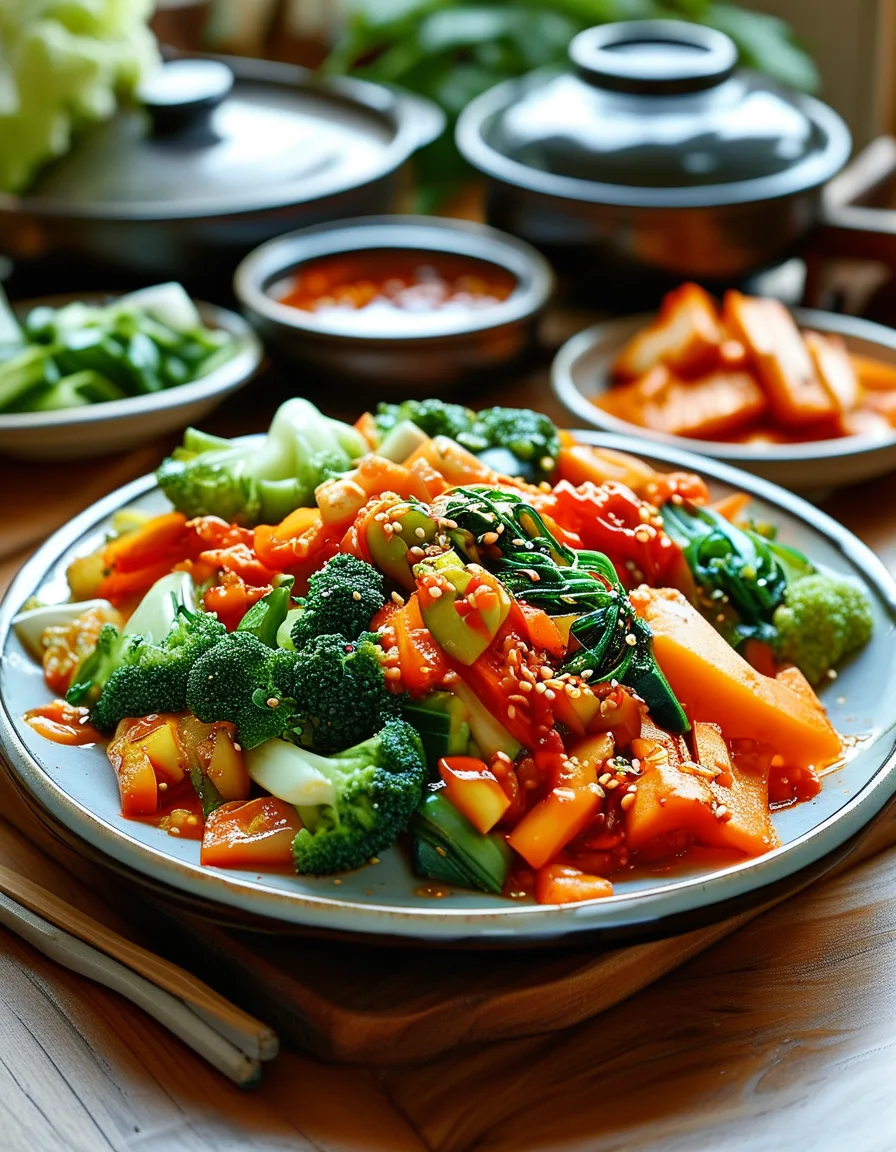
Vegetables were always central: the the-banchan-is-largely-vegetable (the side dish tradition being predominantly vegetable-based from the banchan logic — the banchan-is-vegetable), the the-temple-cuisine-is-a-formal-vegetarian-tradition (the a centuries-old monastic vegetarian cuisine existing from the health-guide logic — the temple-tradition), the the-fermented-foods-carry-the-flavour (the fermentation providing depth without meat from the kimchi logic — the fermentation-carries-flavour), the the-the-meal-structure-does-not-centre-meat (the the rice-and-banchan structure not requiring a meat centre from the banchan logic — the structure-not-meat-centred), the the-the-reputation-outruns-the-tradition (the the meat-heavy reputation being a partial picture from the health-guide logic — the reputation-outruns-tradition), and the reframe (the Korean food as more vegetarian-friendly than its reputation — with banchan largely vegetable, a formal temple tradition, and fermentation rather than meat carrying the flavour).
The Dishes to Know
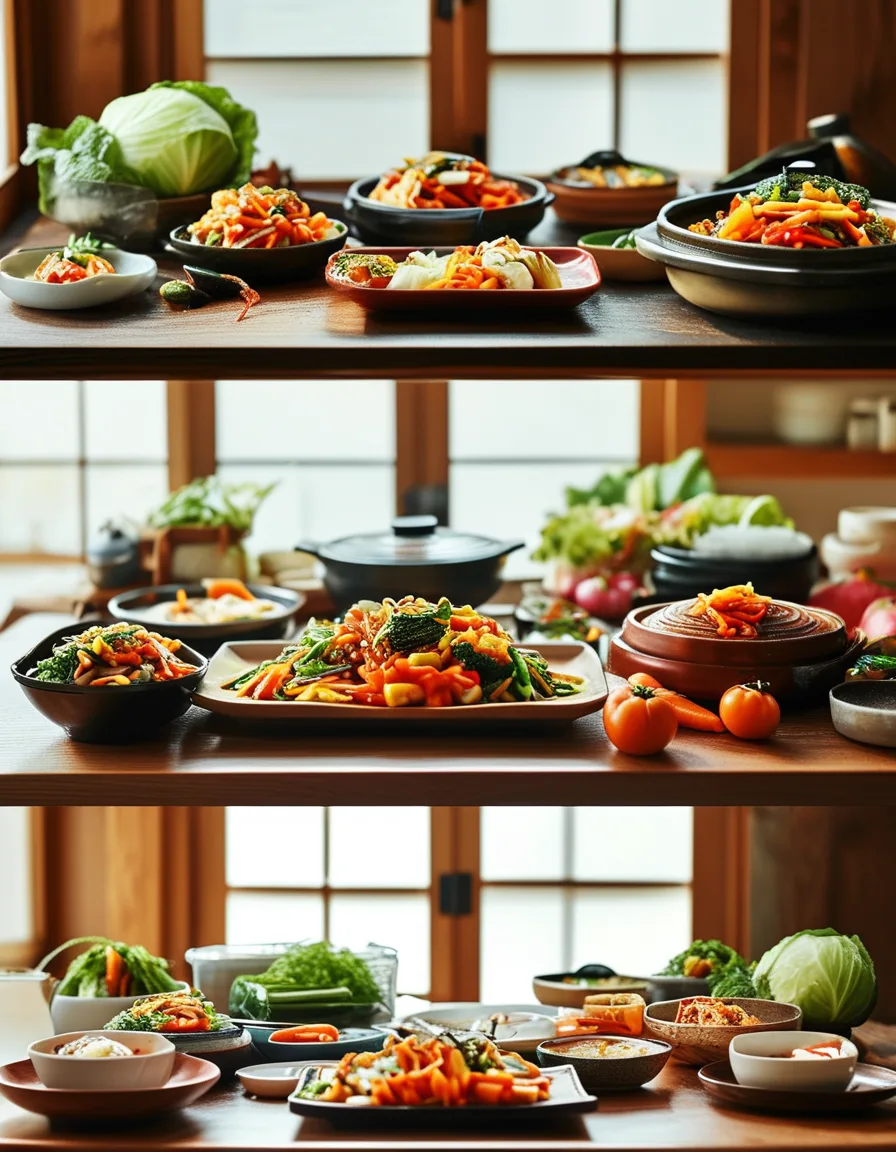
Where to start: the the-namul-seasoned-vegetable-sides (the seasoned vegetable namul being the everyday backbone from the banchan logic — the namul), the the-vegetable-bibimbap (the bibimbap working entirely without meat from the bibimbap logic — the vegetable-bibimbap), the the-doenjang-jjigae-without-meat (the soybean paste stew working meat-free from the healthy-recipes logic — the doenjang-jjigae), the the-kimchi-varieties-without-fish-sauce (the vegetarian kimchi being widely made from the kimchi logic — the vegetarian-kimchi), the the-tofu-dishes (the tofu featuring prominently across the cuisine from the healthy-recipes logic — the tofu-dishes), the the-japchae (the glass noodle dish adapting easily from the healthy-recipes logic — the japchae), the the-seaweed-and-sea-vegetable-dishes (the seaweed dishes being naturally plant-based from the healthy-recipes logic — the seaweed-dishes), and the the-temple-style-dishes (the temple cuisine offering a whole vegetarian repertoire from the health-guide logic — the temple-dishes).
The Adapting Notes
Making it work: the the-check-for-fish-sauce-and-anchovy (the fish sauce and anchovy stock being the common hidden ingredients from the kimchi logic — the check-fish-sauce), the the-anchovy-stock-is-the-usual-base (the many soups using anchovy stock as standard from the healthy-recipes logic — the anchovy-stock), the the-kelp-stock-substitutes-well (the kombu and mushroom stock replacing it cleanly from the healthy-recipes logic — the kelp-stock), the the-make-your-own-kimchi-to-control-it (the home fermentation letting you omit fish sauce from the kimchi logic — the make-your-own-kimchi), the the-soy-and-doenjang-carry-the-savouriness (the fermented soy providing the depth from the healthy-recipes logic — the fermented-soy), the the-ask-when-eating-out (the asking about stock and fish sauce when ordering from the health-guide logic — the ask-when-out), the the-temple-cuisine-restaurants-exist (the dedicated temple food restaurants being an option from the health-guide logic — the temple-restaurants), and the frame (the Korean vegetarian eating as well supported by the tradition — namul, vegetable bibimbap, tofu and temple dishes — with fish sauce and anchovy stock being the ingredients to check and substitute. Start with namul, vegetable bibimbap and tofu dishes, and check for fish sauce and anchovy stock, substituting kelp and mushroom stock).
Korean food has a reputation as meat-heavy that its own tradition does not entirely support — temple cuisine is a centuries-old vegetarian discipline, and much of everyday banchan was vegetable-based long before anyone called it plant-based. It suits vegetarian eating because banchan is largely vegetable, temple cuisine is a formal vegetarian tradition, fermented foods carry the flavour, the meal structure does not centre meat, and the reputation outruns the tradition. The dishes: namul, vegetable bibimbap, doenjang jjigae without meat, vegetarian kimchi, tofu dishes, japchae, seaweed dishes, and temple-style cooking. Adapt by checking for fish sauce and anchovy, substituting kelp stock, making your own kimchi, letting fermented soy carry the savouriness, asking when eating out, and seeking temple cuisine restaurants.
Keep Reading
This article is for general informational purposes only and is not medical advice. Always consult a qualified health professional for guidance specific to you.