How to Eat Korean Food Out Without the Portion Overwhelm
Quick Answer: Korean meals typically include several small banchan (side dishes) alongside a main dish, which can add up in total volume without any single dish feeling like ‘too much’ — pacing yourself by trying a small portion of each banchan first, rather than filling up on rice or the main dish alone, keeps the meal balanced.
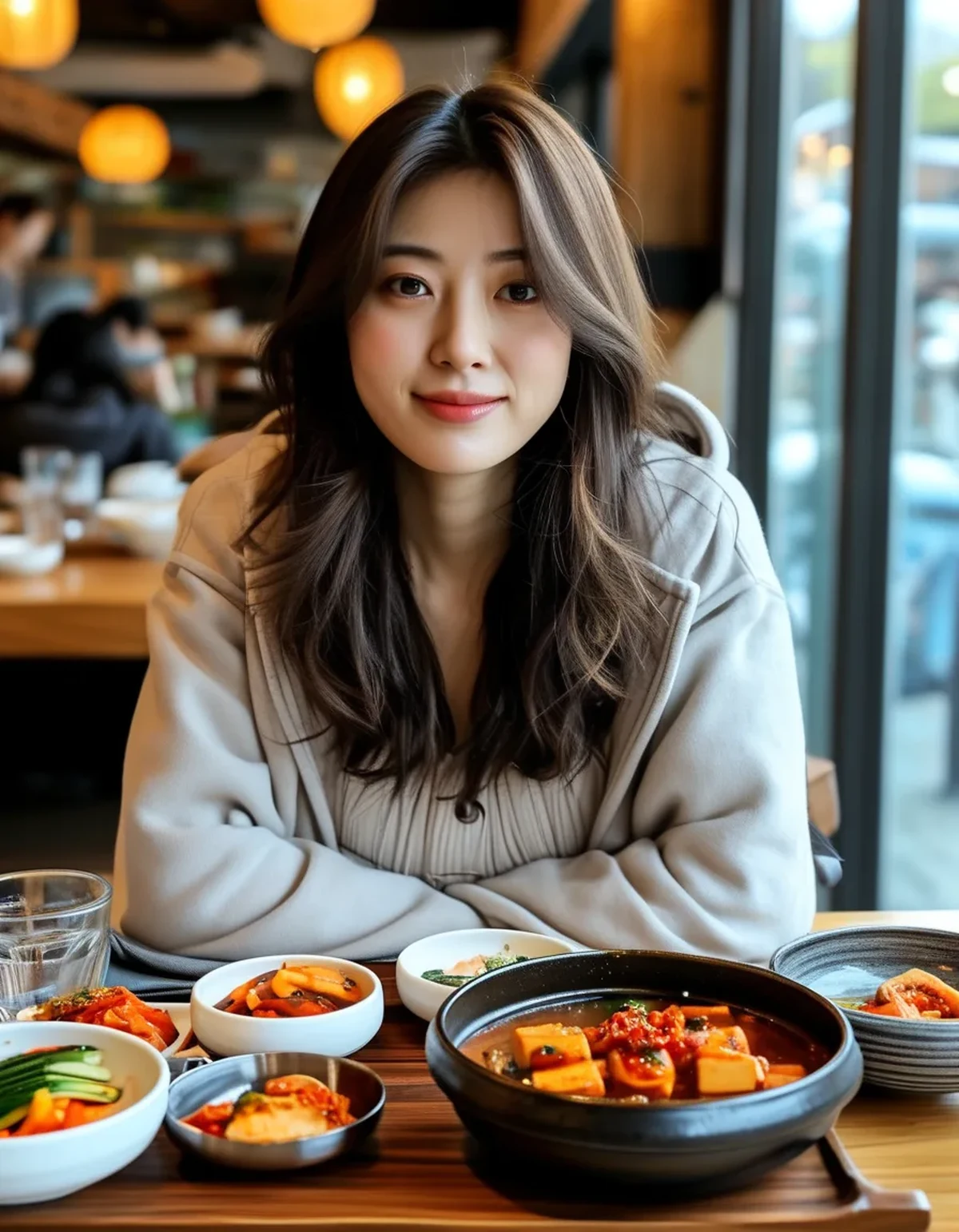
You order what seems like a reasonable single main dish, and then the table fills with five or six banchan you didn’t technically order but end up eating anyway, and you leave stuffed in a way that doesn’t match how modest your original order felt.
Why does a Korean meal add up differently than other cuisines?
Banchan are served automatically and refilled on request, unlike a single entrée-focused Western meal structure, meaning total food volume at the table is genuinely harder to estimate from the menu alone — you’re not just eating your main dish, you’re eating your main dish plus however many small servings of five-plus side dishes you sample throughout the meal. None of this is inherently unhealthy, but portion awareness requires accounting for the whole spread, not just what you ordered.
Shared communal eating style (especially for Korean BBQ) compounds this further, since food keeps arriving and getting grilled in small batches rather than being served all at once, making it easier to keep eating past genuine fullness without a clear visual endpoint.
What’s an actual practical approach to portion awareness here?
Sample a small amount of each banchan early in the meal rather than deciding partway through to ‘try everything,’ which helps you get a genuine sense of the meal’s full variety before deciding what to eat more of. This front-loaded sampling approach means you’re making portion decisions with full information about what’s actually on the table, rather than continuing to add food throughout.
For Korean BBQ specifically, pacing the grilling (cooking smaller batches rather than loading the grill with everything at once) naturally slows the overall meal pace, giving your body more time to register fullness signals before more food arrives.

What Nobody Tells You About Rice Portion Habits
Many people automatically finish their entire rice bowl out of habit or a sense of it being the ‘main’ component, even after banchan and a main dish have already provided substantial volume — rice portions in Korean meals are often meant as a complement to the whole spread, not a separately-finished component regardless of overall fullness. Leaving some rice unfinished when you’re already satisfied from banchan and the main dish isn’t wasteful in the context of a shared, multi-dish meal.
This differs from single-dish meal cultures where finishing your plate is the natural default — with a multi-component Korean meal, ‘finishing everything served’ can mean eating well past comfortable fullness without noticing.
5 Mistakes People Make With Korean Meal Portions
1. Ordering a main dish without accounting for the automatic banchan that will also arrive.
2. Deciding to ‘try everything’ partway through rather than sampling early and pacing accordingly.
3. Automatically finishing rice regardless of fullness from other components.
4. Grilling large batches at once for Korean BBQ, removing the natural pacing smaller batches provide.
5. Treating banchan as free extras that don’t count, rather than as real portions adding to total volume.
FAQ: Korean Food Portion Questions, Answered
Is it rude to leave banchan unfinished at a Korean restaurant?
No — banchan are often refilled and shared, and leaving some unfinished, especially if you’re full, is completely normal and not considered wasteful or rude.
Are banchan generally healthy, or should I limit how many I eat?
Many banchan (vegetables, fermented foods) are nutritious in reasonable portions; the concern is more about total volume across many small dishes adding up than any single banchan being problematic.
Is Korean BBQ inherently harder to portion-control than other Korean meals?
It can be, mainly due to the extended, continuous eating pace — deliberately pacing the grilling helps bring it more in line with a typical seated meal.
TL;DR:
- Automatic, refillable banchan mean total meal volume is easy to underestimate from the main dish alone
- Sampling each banchan early gives you full information before deciding what to eat more of
- Rice doesn’t need to be finished out of habit if banchan and the main dish already satisfied you
- Pacing Korean BBQ grilling in smaller batches naturally slows the meal to match fullness signals.
Keep Reading
This article is for general informational purposes only and is not medical advice. Always consult a qualified health professional for guidance specific to you.