The K-Food Edit: Korean Food, Health-Decoded
Korean food conquered the world’s palates and quietly impressed its nutritionists: a cuisine built on vegetables, fermentation, and rice-plus-many-sides balance. The health decoder for the K-food era — what the staples deliver, and how to cook the everyday classics.
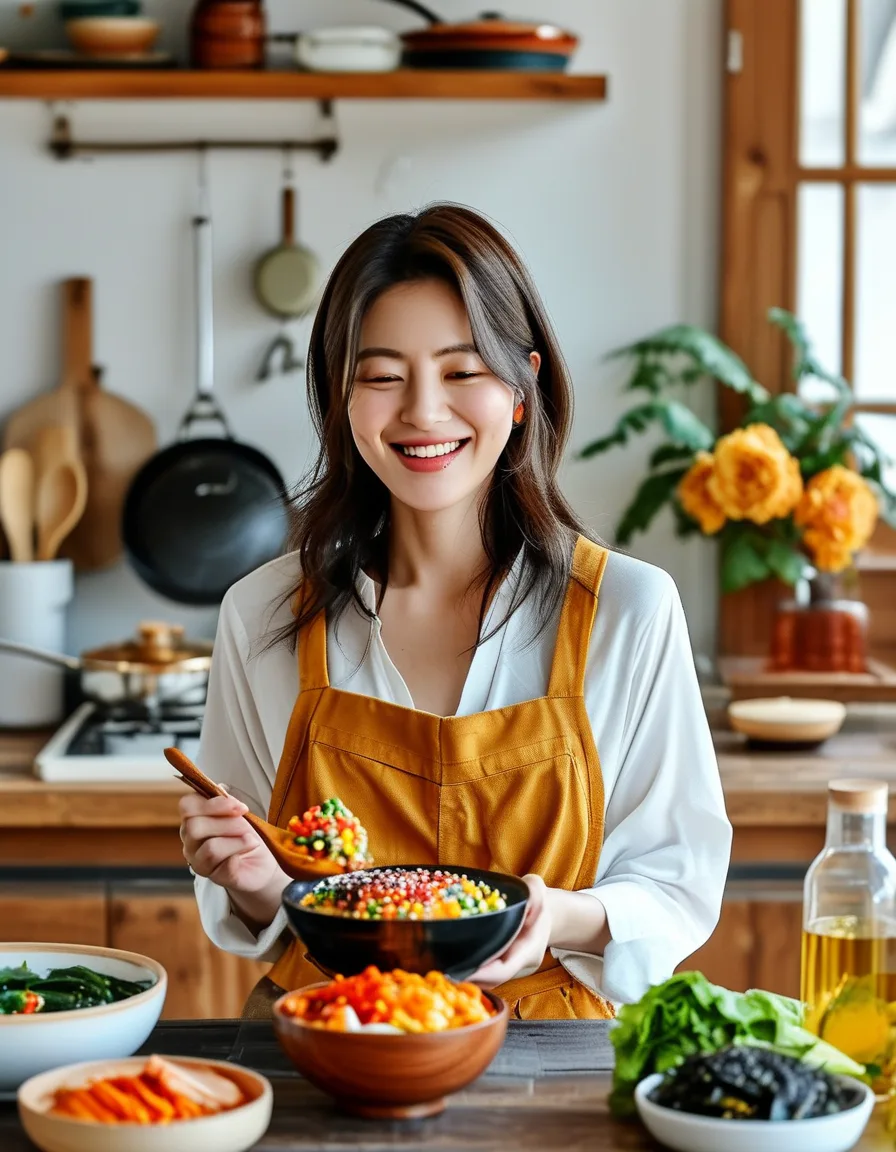
Why Nutritionists Approve
The structural health of the cuisine: the banchan model (meals built from many small vegetable side dishes — plant diversity by design; the gut-microbiome research keeps pointing at exactly this variety), fermentation everywhere (kimchi is the world’s most famous fermented vegetable — the live-culture, gut-diversity story with Korean citizenship; the ferment-files science applies wholesale), the vegetable-forward defaults (spinach, radish, bean sprouts and mushrooms as standing infrastructure, not garnish), and the balance architecture (rice, soup, protein and vegetables sharing every table — the portion diversity that makes overeating any single thing structurally harder).
The Staple Tour
The nutrition credentials, dish by dish: kimchi (fiber, live cultures, vitamins — with the sodium note for the blood-pressure-aware: portions are sides, not salads), bibimbap (the template health bowl — rice, five-plus vegetables, egg and protein in one dish; the customizable macro-anchor), soups and stews (kimchi-jjigae and doenjang-jjigae — the soup-satiety science with fermented depth; doenjang, the soybean paste, is the umami engine with its own ferment résumé), the grilled-protein tier (the lettuce-wrap format — ssam — is protein delivery wrapped in literal vegetables), and the seaweed-and-side world (gim, miyeok — the mineral-dense marine vegetables most Western diets lack entirely).
The Home-Cooking Core
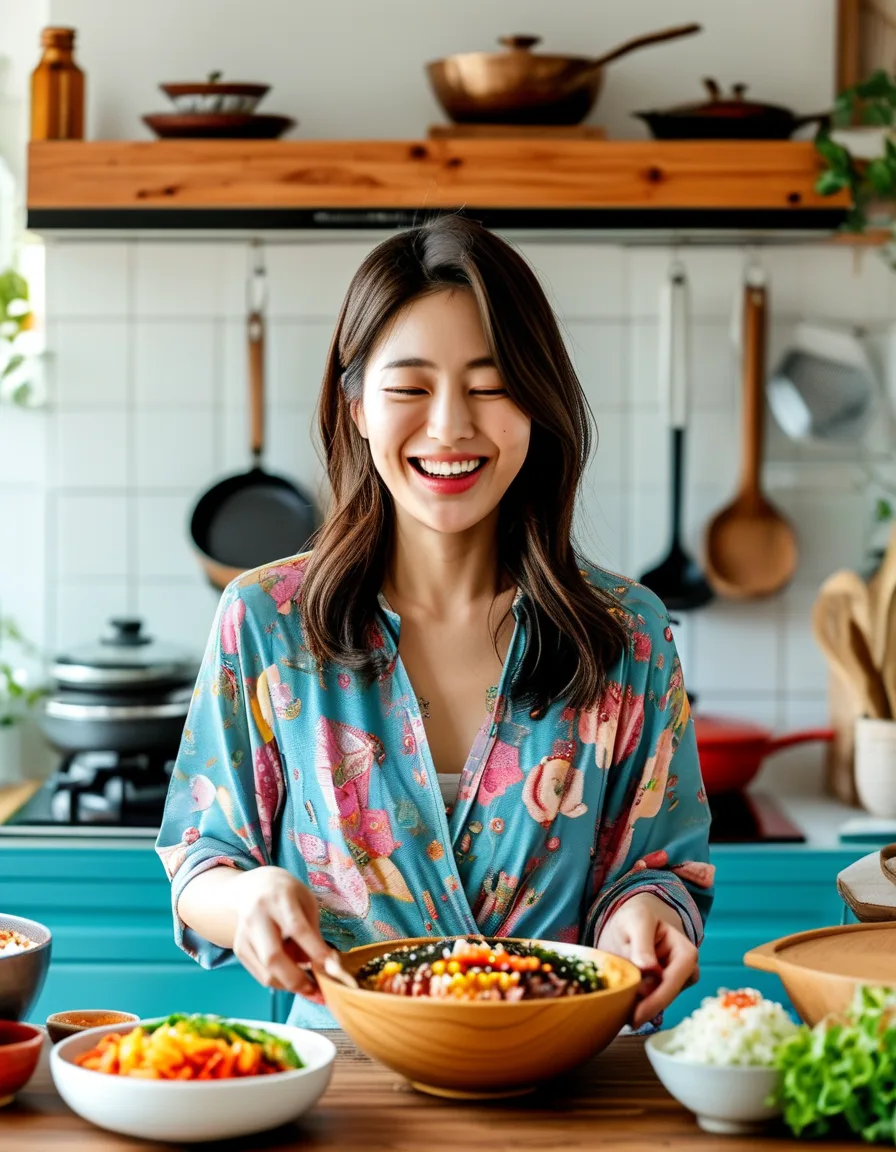
The starter kitchen: the pantry three (gochujang — the fermented chili paste; doenjang; and sesame oil — the flavor triangle that makes everything taste Korean), the first recipes (bibimbap from any leftover vegetables — the template forgives everything; the 10-minute kimchi fried rice — the weeknight legend; doenjang soup with tofu — the miso-adjacent comfort tier), the banchan habit transplant (two-three vegetable sides made Sunday, eaten all week — the meal-prep model Korea perfected centuries early), and the shortcut honesty (store-bought kimchi from the refrigerated case is legitimate — the live-culture label rule from the ferment guide applies; homemade is the graduation, not the entry fee).
The Balanced Take
The honest notes: sodium is the cuisine’s real caveat (fermented and seasoned foods add up — the research on Korean dietary patterns flags salt alongside all the benefits; the home cook controls this dial better than the restaurant), the fried-and-sweet corner exists (Korean fried chicken and the dessert café universe are treats, not the template — the everyday cuisine and the K-content food tour are different menus), and the pattern is the point (no single dish is magic — kimchi is not a supplement; the VEGETABLE-DIVERSE, fermented, balanced pattern is the health story). The K-food verdict: one of the world’s most naturally health-aligned cuisines — delicious first, and the nutrition follows the banchan.
Banchan is plant diversity, ferments everywhere, gochujang starts the pantry, watch the salt dial. K-food’s health story was structural all along — many vegetables, small dishes, live cultures, shared table.
Keep Reading
This article is for general informational purposes only and is not medical advice. Always consult a qualified health professional for guidance specific to you.