What Korean Fermented Foods Actually Do for Gut Health, Beyond Kimchi
Quick Answer: Beyond kimchi, Korean staples like doenjang (fermented soybean paste), gochujang, and jangajji (fermented pickled vegetables) all contain live cultures and fermentation byproducts that support gut microbiome diversity, though the specific bacterial strains and benefits vary by food, not all being interchangeable with kimchi’s well-studied profile.
Kimchi gets most of the attention, but it’s just one entry in a much wider Korean fermented food tradition with its own distinct gut health contributions.
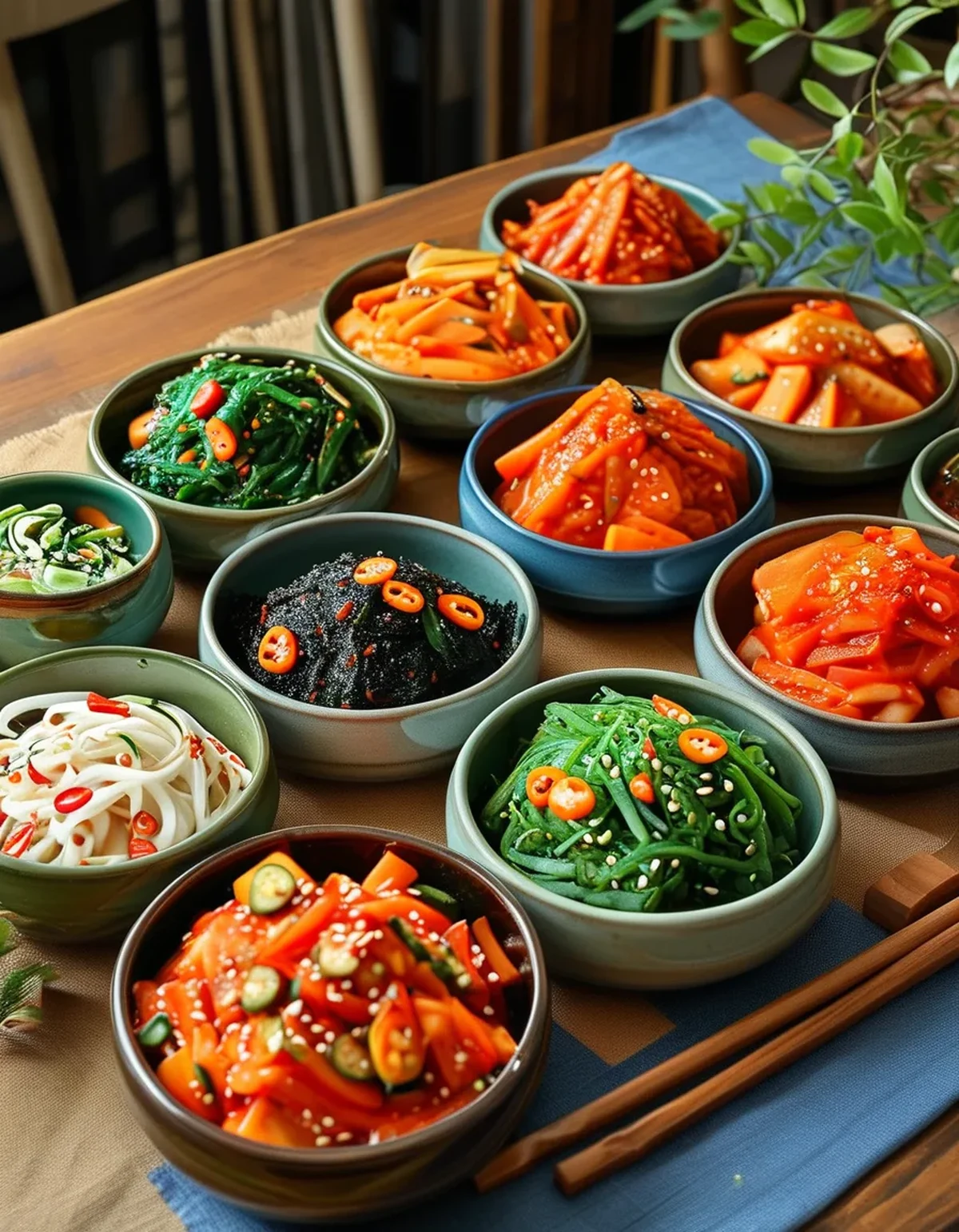
What makes doenjang different from kimchi in terms of gut benefits?
Doenjang is fermented over months using different bacterial and fungal cultures than kimchi’s lactic acid fermentation, producing a distinct profile of beneficial compounds and, notably, contributing plant-based protein and isoflavones alongside its probiotic content, which kimchi doesn’t provide in the same way.
Does cooking fermented foods like doenjang in soup destroy the beneficial bacteria?
Yes, heat during cooking does reduce live bacterial content significantly, meaning the probiotic benefit from a cooked doenjang jjigae is smaller than eating fermented foods raw — though the fermentation process still leaves behind beneficial compounds and improved nutrient availability even after the live cultures are reduced by heat.
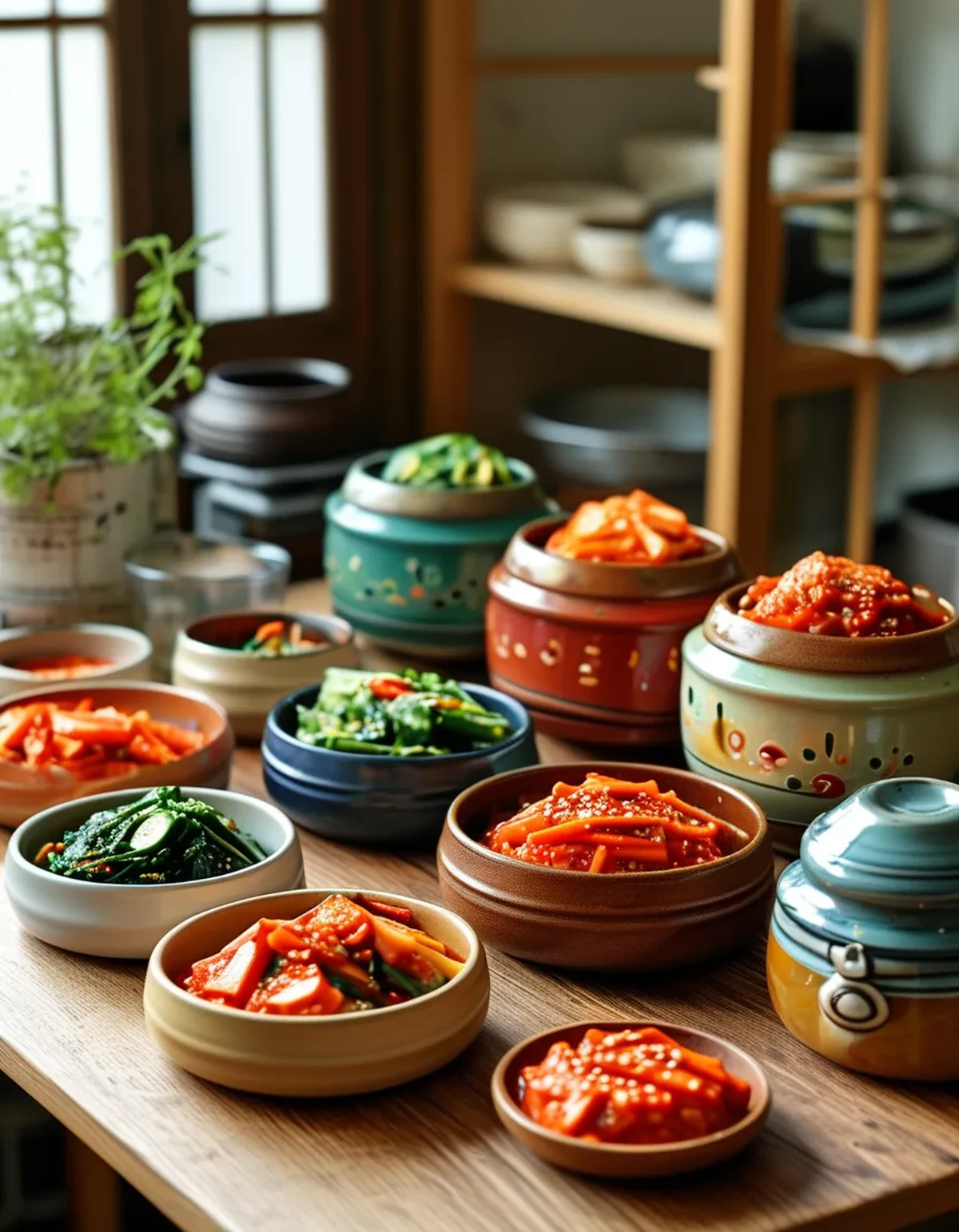
Are all Korean fermented side dishes equally beneficial for gut health?
No — fermentation time, ingredients, and salt content vary widely across banchan, and some quick-pickled dishes involve minimal true fermentation compared to genuinely aged items, so treating ‘fermented-style’ and ‘traditionally fermented’ as interchangeable overstates the benefit of some quicker preparations.
Myth vs Fact: Korean Fermented Foods
Myth: Only kimchi among Korean foods offers real gut health benefits. Fact: Doenjang, gochujang, and various jangajji all contribute distinct fermentation-derived benefits, making a varied intake more valuable than kimchi alone. Myth: Cooking a fermented food eliminates all its health value. Fact: While live bacteria are reduced by heat, many of fermentation’s nutritional benefits — like improved amino acid availability — remain even in cooked dishes.
FAQ: Korean Fermented Foods and Gut Health Questions, Answered
How much fermented food is actually needed daily for a gut health benefit?
There’s no universally established amount, but regularly including even small servings of raw, unheated fermented foods like fresh kimchi several times a week is a reasonable practical target based on general fermented food research.
Should someone with high blood pressure be cautious with these foods?
Many traditional Korean fermented foods are high in sodium, so portion awareness matters for anyone managing blood pressure, independent of their genuine gut health benefits.
Is store-bought fermented Korean food as beneficial as homemade?
Quality commercial products that use traditional fermentation methods can offer comparable benefits, but some mass-produced versions use shortcuts or added preservatives that reduce the live culture content compared to traditionally fermented versions.
TL;DR:
- Doenjang, gochujang, and jangajji each offer distinct fermentation profiles beyond kimchi
- Cooking reduces live bacteria but preserves some other fermentation benefits
- Not all Korean side dishes are equally fermented — preparation time matters
- Sodium content is worth watching regardless of the genuine gut health upside
A varied approach to Korean fermented foods, not just kimchi, taps into a wider range of gut health benefits the cuisine has to offer.
Keep Reading
This article is for general informational purposes only and is not medical advice. Always consult a qualified health professional for guidance specific to you.