Gochujang vs. Doenjang: What Actually Differs in Flavor and Nutrition
Quick Answer: Gochujang is a fermented paste built from glutinous rice, fermented soybean powder, and red chili powder, giving it a sweet-spicy-savory profile, while doenjang is fermented purely from soybeans, giving it a deeper, saltier, umami-forward flavor closer to miso — gochujang tends to lead a dish’s flavor, while doenjang tends to build a savory base underneath other flavors.
They’re often shelved next to each other, but they’re doing very different jobs in a recipe.
What actually causes the flavor difference between them?
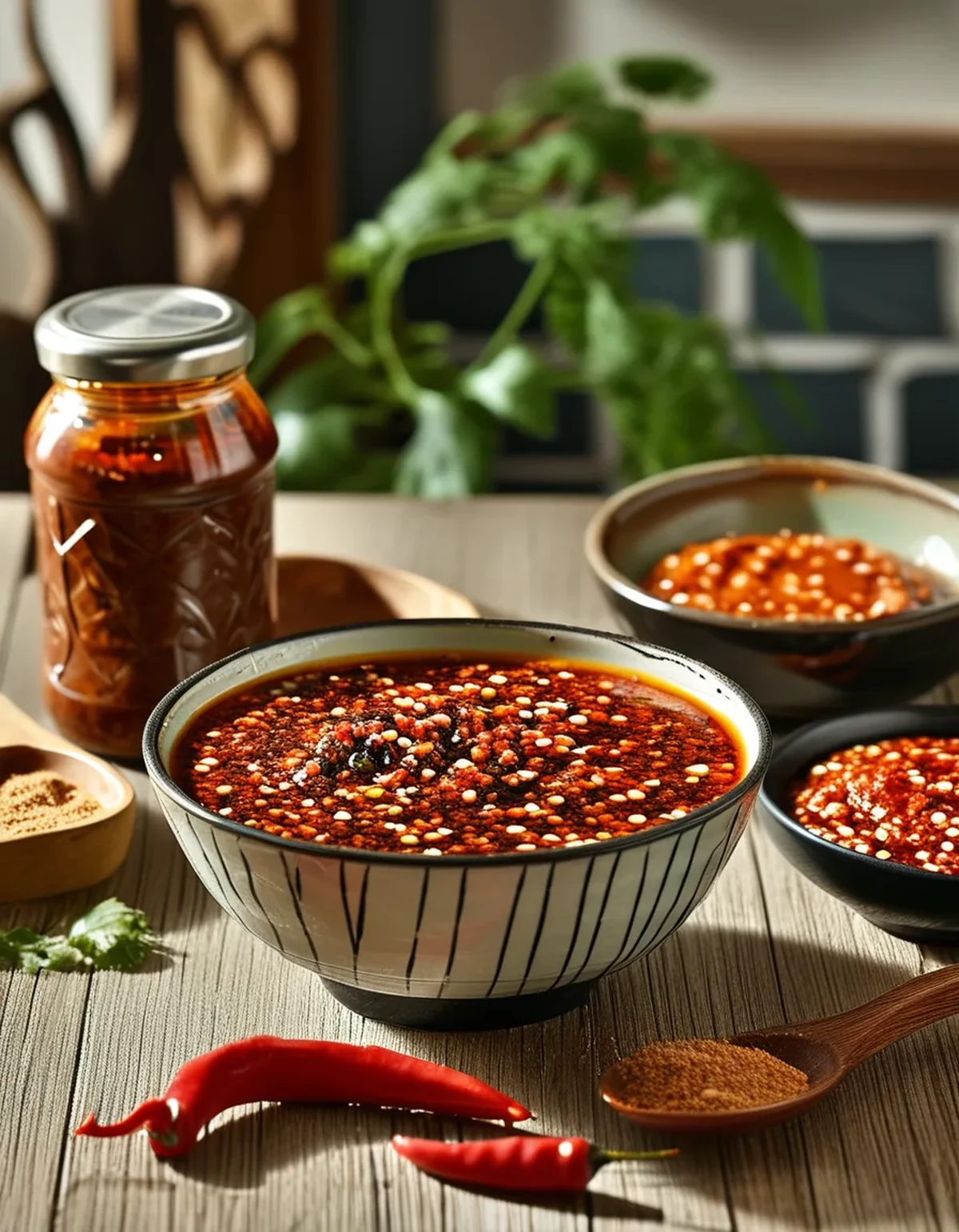
Gochujang’s rice content contributes natural sweetness through fermentation, balanced against the heat of chili powder and the umami of fermented soybean, producing a complex sweet-spicy-savory flavor that can stand on its own as a sauce base. Doenjang, made purely from fermented soybeans without rice or chili, develops a more concentrated, salty, deeply savory flavor through a longer fermentation process, closer in character to Japanese miso but generally more pungent and robust.
How does this difference actually show up in how they’re used?
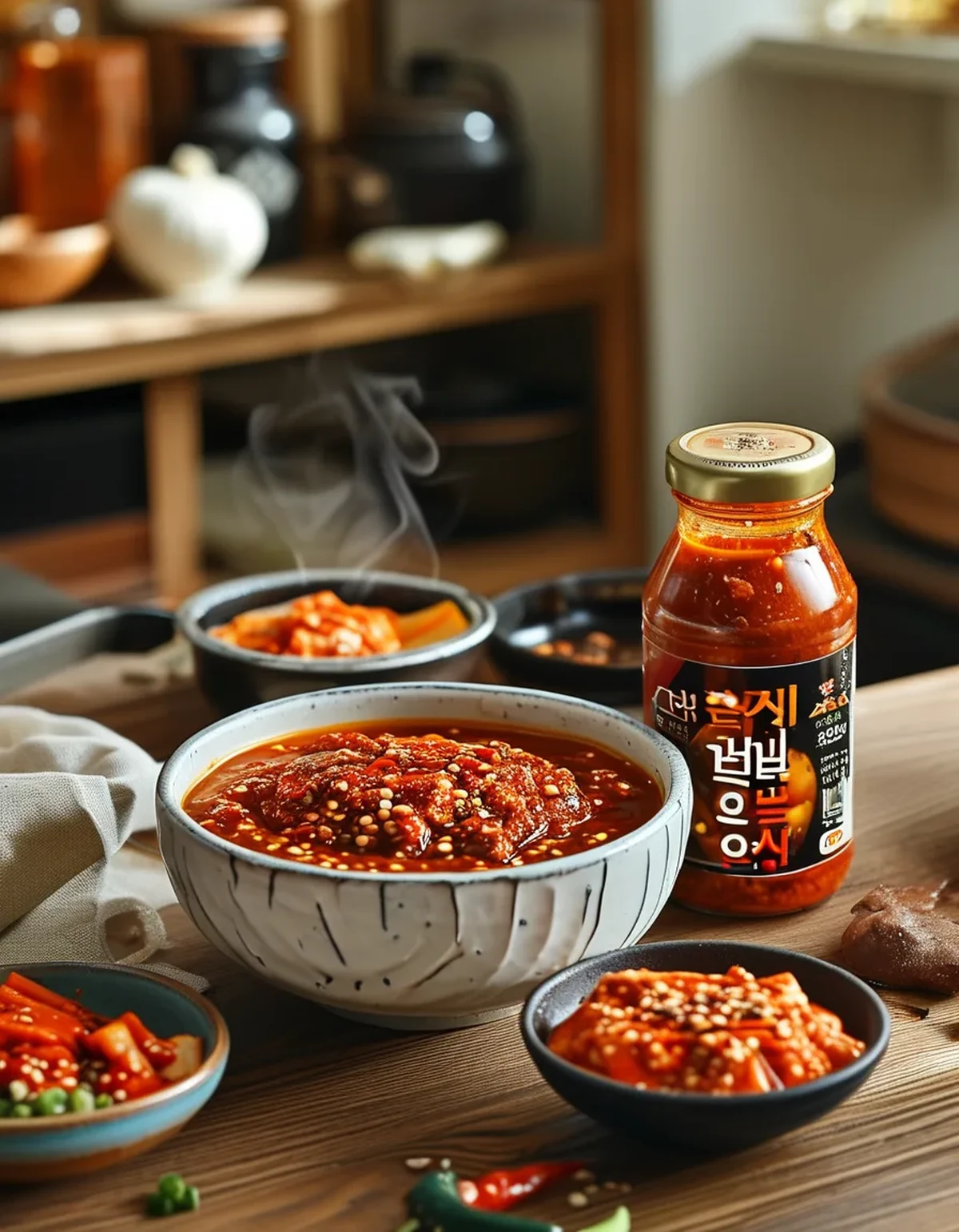
Gochujang is commonly used as a primary flavor driver — in sauces, marinades, and dishes where its sweet heat is meant to be noticed, like tteokbokki or bibimbap sauce. Doenjang is more often used as a foundational savory element in soups and stews, like doenjang-jjigae, where its job is building umami depth rather than announcing itself as the dominant flavor.
Is one nutritionally different from the other in a meaningful way?
Doenjang, being purely fermented soybean, tends to have a higher protein content per serving and a stronger concentration of fermentation-derived compounds associated with gut health, while gochujang’s rice and chili content shift its nutritional profile toward more carbohydrates and capsaicin (the compound responsible for chili heat, associated with modest metabolic effects). Both are fermented and contribute beneficial bacteria, though sodium content is significant in both and worth moderating regardless of which one you’re using.
TL;DR:
- Gochujang combines rice, fermented soybean, and chili for a sweet-spicy-savory flavor
- Doenjang is purely fermented soybean, giving a deeper, saltier, miso-like umami
- Gochujang typically leads a dish’s flavor; doenjang builds a savory base underneath
- Doenjang tends to have higher protein; both are high in sodium and worth moderating
Knowing which job each paste is meant to do makes it much easier to know which one a recipe (or your own cooking instinct) actually needs.
Keep Reading
This article is for general informational purposes only and is not medical advice. Always consult a qualified health professional for guidance specific to you.