Gochujang Isn't Just for Heat — 5 Ways Korean Cooks Actually Use It
Quick Answer: Gochujang is a fermented, umami-rich paste — not just a heat source. Korean cooking uses it as a marinade base, a soup depth-builder, a dipping sauce component, a glaze, and a savory-sweet balancer, often in dishes where the heat is barely noticeable next to the fermented depth.
If your gochujang jar only comes out for bibimbap sauce, it’s doing about a fifth of its actual job. The paste is built from fermented soybeans and glutinous rice as much as chili — which is exactly why it works in places that have nothing to do with spice level.


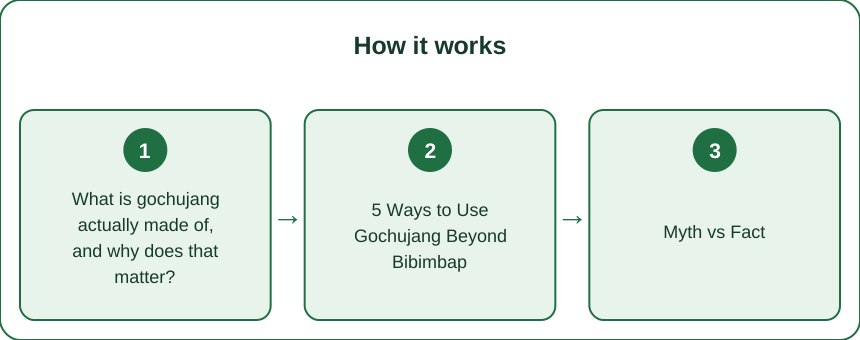
What is gochujang actually made of, and why does that matter?
Traditional gochujang ferments glutinous rice, fermented soybean powder (meju), chili powder, and salt together for months. That fermentation is where the umami depth comes from — the chili is only one ingredient among several doing the flavor work.
This is why a well-made gochujang tastes complex even in small amounts — savory, faintly sweet, and slow-building heat, rather than a flat, sharp spiciness.
5 Ways to Use Gochujang Beyond Bibimbap
1. Marinade base. Mixed with soy sauce, sesame oil, and a little sugar, it’s the backbone of classic Korean BBQ marinades for pork or chicken — the fermentation tenderizes as it flavors.
2. Soup and stew depth. A spoonful in doenjang jjigae or a seafood stew adds savory complexity without turning the dish into a chili-forward one.
3. Dipping sauce (ssamjang base). Mixed with doenjang, garlic, and sesame oil for wrapping grilled meat in lettuce — a completely different application from the sweet sauce most people know.
4. Glaze for roasted vegetables. Thinned with a little rice vinegar and honey, brushed on roasted cauliflower or Brussels sprouts in the last 10 minutes of roasting.
5. Savory-sweet balance in dressings. A small amount in a vinaigrette adds umami depth that plain chili flakes can’t replicate.

Myth vs Fact: Gochujang Edition
Myth: Gochujang is just Korean hot sauce. Fact: It’s a fermented paste with rice, soybean, and salt as core structural ingredients — closer in complexity to miso than to a chili sauce.
Myth: More gochujang always means more heat. Fact: Different brands vary widely in Scoville level; some are mild and savory-forward, others genuinely spicy — check the label rather than assuming.
Myth: It only belongs in Korean dishes. Fact: Korean home cooks and chefs alike now use it in pasta sauces, roasted vegetable glazes, and even burger blends — the umami-heat combo travels well.
How do you store and choose gochujang?
Refrigerate after opening — it keeps for months due to its fermented, salty nature, but flavor is best within the first few months once opened.
When buying, check the ingredient list: traditional versions list rice, fermented soybean, and chili powder near the top; some mass-market versions add more corn syrup and less real fermentation, which shows up as a flatter, sweeter, less complex flavor.
FAQ: Gochujang Questions, Answered
Is gochujang the same as gochugaru?
No — gochugaru is dried chili flakes/powder, an ingredient. Gochujang is the finished fermented paste that often contains gochugaru along with rice and soybean.
Can I substitute gochujang in a recipe that calls for sriracha?
Not directly — gochujang is thicker and less acidic, with fermented depth sriracha doesn’t have. Use about half the amount and add a splash of vinegar to approximate the tang.
Does gochujang need to be cooked, or can it be used raw?
Both — raw in dressings and dips it tastes sharper and more fermented; cooked into sauces and marinades, the flavor mellows and deepens.
TL;DR:
- Gochujang’s fermentation (rice, soybean, chili) is what gives it umami depth, not just heat
- Use it in marinades, soup bases, ssamjang dips, glazes, and dressings — not only bibimbap sauce
- Check labels: traditional versions list rice and fermented soybean high up, not mostly corn syrup
- It’s not interchangeable with gochugaru (dried chili) or sriracha without adjustment
Once you use it beyond spice, gochujang stops being a condiment and starts being a flavor-building tool.
Keep Reading
This article is for general informational purposes only and is not medical advice. Always consult a qualified health professional for guidance specific to you.